Monday, January 7, 2013

Container Gardening Indoors for Veggies

Indoor container gardening is a great way to grow small vegetables, herbs, and certain fruits. If you live in an area that has minimal outdoor space, or if you want to try growing crops during colder months inside where it is warm, indoor container gardening might be for you.

First you will need containers to garden in, the containers that are able to be used vary greatly. You can use polyethylene plastic bags, clay pots, plastic pots, metallic pots, milk jugs, ice cream containers, bushel baskets, barrels, and planter boxes. The container you use needs to have good drainage, hold soil without spilling, be able to support the plants as they grow bigger, and should not contain any chemicals that are toxic to plants and/or human beings. Several vegetables that can be grown in backyard gardens can be grown in containers, although a container's diameter and depth need to be considered when selecting what vegetables to grow. The plant density depends on individual plant space requirements, and rooting depth.

The best vegetables for indoor container gardening are going to be vegetables that take up little space. Some examples are: carrots, radishes and lettuce, or crops that bear fruits over a period of time, such as tomatoes and peppers.

Another factor to keep in mind when choosing the plants that you want to grow in your container garden is how much sunlight your container will get each day, this factor will greatly affect what you can grow. A south facing sunny window is the best location for growing plants indoors. However, if you are very dedicated, there are grow lights that you may be able to incorporate into your indoor container garden, but these lights are not necessary if you have a well lit area in your home, unless you are growing fruiting vegetables such as tomatoes and peppers. These plants will also need supplemental light, such as a combination warm-white/cool-white fluorescent fixture, during winter months. Insufficient light will result in tall, spindly plants and failure to flower and set fruit.

When choosing your soil for your container plants a lightweight potting mix is ideal for vegetable container gardening. This enables you to have the best possible soil for your plants.

When planting your container crops you will need to fill a clean container to within an inch of the top with the slightly damp soil mixture. Peat moss in the mix will absorb water and mix much more readily if soaked with warm water before putting the mix in the container. Sow the seeds or set transplants according to instructions on the seed package. Put a label with the name, variety, and date of planting on or in each container. After planting, gently soak the soil with water, being careful not to wash out or displace seeds. Thin seedlings to obtain proper spacing when the plants have two or three leaves. If cages, stakes, or other supports are needed, provide them when the plants are very small to avoid root damage later.

You will want to check your plants' need for water fairly frequently as with small containers they can sometimes dry out quickly. To make watering easy it is smart to set the pots in large trays that have an inch or two of decorative stones in them. Not only will this prevent your having to move the plants in order to water them, which may discourage you from watering when you should, but it will also provide humidity, which is a major requirement, especially during winter when the house is warm and dry.


What works or doesn't work for you in your indoor garden?

Thursday, December 27, 2012

Companion Planting with Grapes


Grapes do well when planted near hyssop, geraniums, clover, basil, beans, oregano, peas, blackberries, garlic, chives, rosemary, tansy, and mint. You should avoid planting cabbage and/or radishes near where grapes are.

Grapes are grown for many reasons, two of those reasons being for juice and/or wine. Be sure to check out our wine presses if you are growing grapes for these reasons.

Monday, December 17, 2012

Companion Planting with Strawberries


Strawberries are a great container plant, (try growing them in a metal wash tub sometime) but they also work as a companion plant. Suggested companions for strawberries are:
Borage
Bush Beans
Caraway
Lupin
Lettuce
Onions
Spinach
Thyme

The borage helps to strengthen the strawberry against insects while the thyme deters worms. Lupin helps to attract honey bees.

When companion planting with the strawberry be sure to avoid cabbage and plants that are in the cabbage family.

Friday, December 7, 2012

Gift Ideas for Gardeners

Sometimes it is hard to know what to get someone as a gift. If you are trying to find an idea for a gift for someone who enjoys gardening, then you are in the right place, we are going to share our top 5 gardening gift ideas with you.


A flower box is a great gift idea for a flower gardener. You can also fill the box with small flower pots, seeds, or flower tools.


 A great lawn ornament will be appreciated by someone who loves spending time outdoors making their yards and homes look beautiful.


 A bucket filled with garden tools is also a great gift idea.


A Solo Hand Sprayer is a great gift for any gardener. Hand sprayers come in handy for many yard and garden applications.

Does your garden enthusiast love watching birds in his/her yard? Then a bird feeder would be a great gift.

Are you a gardener? What kind of gifts do you always love?


Thursday, November 29, 2012

Companion Planting with Sunflowers


Sunflowers are quite beneficial to nearly any garden, especially those with aphid problems. If you plant sunflowers in your garden you will notice the ants moving the aphids onto them. Sunflowers are hardy enough that they can survive the aphids and keep them distracted from your other plants.

Sunflowers also attract hummingbirds, this is beneficial not only for the pollination of your garden but also because hummingbirds eat white flies.

Sunflowers can also provide shading to plants that do not need as much sunlight or are easily blighted by the sun.

If your sunflowers are not helping control your insects in your garden as much as you would like, use a garden sprayer to spray your organic pesticide onto your plants.


Wednesday, November 21, 2012

Companion Planting with Corn

Corn is one of the original companion plants since it is a member of the planting method known as the Three Sisters.


The Three Sisters is a combo of plants that includes: corn, beans, and squash. The corn acts as a pole for the beans to climb up and the beans provide nitrogen to the soil for the corn and squash. The squash covers the ground helping to keep moisture in the soil.

But those aren't the only companions for corn.
Amaranth, beans, cucumber, white geranium, lamb's quarters, melons, morning glory, parsley, peanuts, peas, potatoes, pumpkins, soybeans, squash, and sunflower are also companion plants for corn.

When growing corn you should keep in mind:
  • Corn needs nitrogen rich soil.
  • If planting rows they need to be at least 3 feet apart
  • Corn needs 1 inch of water a week
 To keep your corn and gardened watered you may want to look into watering hoses and sprinklers.

What are your tips for growing corn?

Tuesday, November 13, 2012

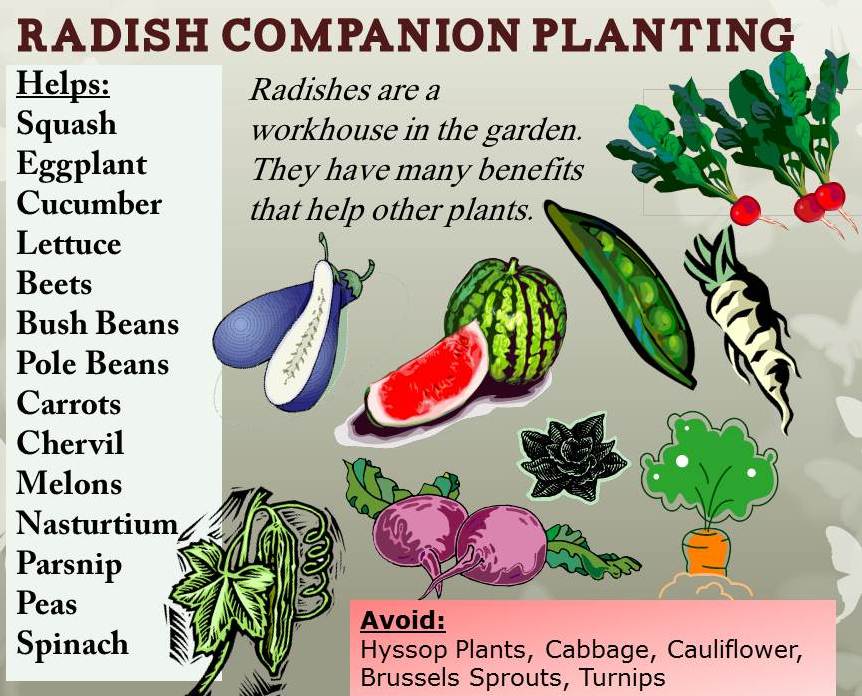
Radish Companion Planting


Radishes make great companions for radish, beet, bush beans, pole beans, carrots, chervil, cucumber, lettuce, melons, nasturtium, parsnip, peas, spinach, and squash.

Radishes can help to deter cucumber beetles and rust flies.

They can help protect squash from squash borers.

Radishes can also help corn by fighting corn borers, but you must let the radishes go to seed.

Radishes also lure leafminers away from spinach plants. The leafminers will damage radish leaves, but this does not stop the radish roots from growing. 

Radishes also make great container plants. So if you only have room for some flower boxes, you can still grow radishes.


Related Posts Plugin for WordPress, Blogger...